Planar magnetic headphones are prized for their detailed sound, low distortion, and wide soundstage. This guide highlights five standout products featuring planar drivers and provides a concise buying guide to help you compare performance, comfort, and compatibility across source gear. Each entry includes a quick reference and direct access through Amazon links for convenience.
| Product | Brand | Driver Size | Open/Closed | Notes |
|---|---|---|---|---|
| FiiO JT7 Over-Ear Planar Magnetic Headphones | FiiO | 95×86 mm | Open | Elastic support system for dynamic bass, detachable cables |
| Letshuoer S12 PRO In-Ear Headphones | Letshuoer | 14.8 mm | In-Ear | Multiple swappable jack options (2.5/3.5/4.4 mm) |
| Monolith Over-Ear Planar Magnetic Headphones | Monoprice | 106 mm | Open | Large comfort-focused pads, studio-grade design |
| SIVGA Nightingale | SIVGA | 14.5 mm | Open | Wooden housing with dual magnetic structure |
| HIFIMAN Arya Stealth Magnet | HIFIMAN | Nanometer-thick diaphragm with stealth magnets | Open | High-fidelity, acoustically transparent magnet design |
Note: This table focuses on notable planar options across on-ear, over-ear, and in-ear forms to illustrate varying driver sizes, enclosure approaches, and price bands. The goal is to help you compare core driver characteristics and architectural choices that influence tone, imaging, and comfort.
FiiO JT7 Over-Ear Planar Magnetic Headphones

The JT7 uses a self-developed 95×86 mm planar magnetic driver, delivering a wide soundstage with strong bass authority. Each component—magnetic circuit and diaphragm—was designed in-house to ensure stable, professional-grade performance over time. An Elastic Support System (F.E.S.) enhances diaphragm excursion for deeper, more dynamic bass without compromising clarity across the midrange and highs. The foldable, lightweight design aids portability while maintaining solidity for extended listening sessions.
Letshuoer S12 PRO In-Ear Headphones

The S12 Pro features a custom 14.8 mm planar magnetic driver delivering detailed retrieval, punchy bass, and clear trebles. With a sensitivity of 102 dB/mW, it can be easily driven by mobile devices or DAC/amp dongles. The chassis design includes multiple vent holes to relieve ear canal pressure, helping protect long-term listening comfort. The stock cable supports 0.78 mm dual-pin connectors and offers swappable jack options (2.5/3.5/4.4 mm) for broad compatibility with different sources.
Monolith Over-Ear Planar Magnetic Headphones

The Monolith M1060 uses a 106 mm planar driver and 50 ohms impedance, enabling robust output with solid peak handling. Its open-back design provides a holographic soundstage and natural imaging, ideal for critical listening and studio environments. Comfort is a priority with large ear pads designed for long sessions, while the open-back architecture reduces listening fatigue by minimizing pressure buildup inside the ear cups.
SIVGA Nightingale Planar Magnetic In-Ear Monitor

The Nightingale combines a dual magnetic driver arrangement with an ultra-thin composite diaphragm to deliver punchy bass, wide soundstage, and high-resolution mids and treble. The design leans on refined wood and metal construction, offering a distinctive aesthetic and acoustic balance suitable for portable and desktop usage. Its magnet array and diaphragm integration are tuned for natural, musical reproduction across genres.
SIVGA P2 PRO Planar Magnetic Driver Headphones

The P2 PRO features an innovative sapphire vibration circuit combined with metal inlay to optimize the planar diaphragm’s performance. A wooden housing with etched stainless steel mesh adds aesthetic appeal while supporting precise acoustic behavior. The design targets authentic sound across genres, emphasizing vocal clarity and instrumental texture in a balanced, natural presentation.
HIFIMAN Arya Stealth Magnet Version
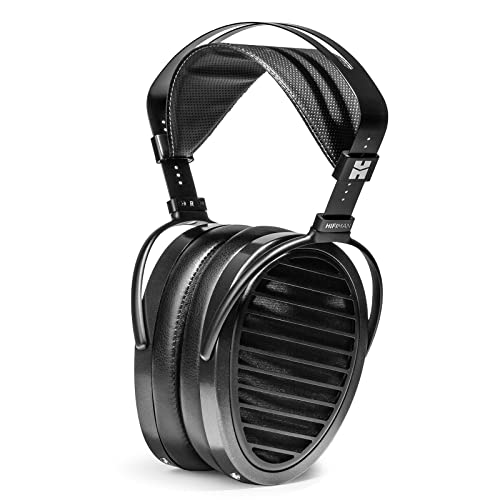
The Arya Stealth Magnet uses acoustically transparent magnets to minimize wave diffraction and distortion. Its nanometer-thick diaphragm is a milestone in planar driver technology, enabling precise, extended high-frequency response and low distortion. The metal headband and lightweight plastic frame combine durability with long-term comfort, while the modular 3.5 mm connector supports easy cable swaps and customization for a wide range of sources.
Buying Guide
Key considerations when choosing planar magnetic headphones or IEMs include driver size and enclosure design, sensitivity and source compatibility, and comfort for extended listening sessions. Larger planar drivers tend to deliver broader soundstages and deeper bass, but may require more power or robust amplification. Open-back designs typically offer a more spacious and natural sound but leak sound and require quiet environments. In-ear planar options prioritize portability and isolation, but fit and seal are critical for achieving the full driver potential.
Source compatibility matters: higher-sensitivity planar drivers pair well with portable DAPs or dongle DAC/amps, while lower-sensitivity designs may benefit from dedicated headphone amps or desktop audio interfaces. Cable configuration, including swappable connectors (2.5 mm, 3.5 mm, 4.4 mm), can expand compatibility with different devices. Build quality and materials influence durability and comfort, especially for long listening sessions. Open-back versus closed-back design affects room impact, imaging, and bass response; choose according to listening environment and goals.
Performance perspectives vary by use case. Audiophiles may prioritize ultra-wide soundstage and pin-point imaging found in open-back planar models. Studio applications often favor accuracy and low distortion with reliable transient response. For portable use, comfort, weight, and efficient drivers are critical to ensure consistent playback without excessive battery drain or amplification needs. Consider your typical genres, preferred listening levels, and gear ecosystem when comparing models.