For families caring for aging loved ones, a reliable panic button that notifies relatives instantly can provide peace of mind. The following five devices all use Wi‑Fi or 433MHz wireless hubs to alert a caregiver app, share notifications with family members, and help responders locate where help is needed. Each option supports common home layouts and comes with features designed to minimize response time during emergencies. This guide highlights what to look for and how these systems compare to help you choose the right solution.
| Product | Brand | Highlights |
|---|---|---|
| PILSAMSA WiFi Caregiver Pager Wireless Call Button with App Alerts | PILSAMAS | 3 buttons, hub, 328ft range, caller ID, no monthly fee |
| PILSAMAS 3 Pack Wireless Caregiver Call Button | PILSAMAS | 3 buttons, hub, 230ft range, app alerts, wall/portability |
| CallToU Wi-Fi Wireless Caregiver Pager | CallToU | 328ft range, 2.4G Wi‑Fi, app alerts, family sharing |
| PILSAMAS WiFi Caregiver Pager Smart Call System | PILSAMAS | 2+1 design, wristband option, 328ft range, caller ID |
| SYNLETT Caregiver Pager Wireless Call Buttons | SYNLETT | 2 buttons + portable pager, belt clip, wall brackets |
PILSAMSA WiFi Caregiver Pager Wireless Call Button with App Alerts

The PILSAMSA system centers on a Wi‑Fi smart hub that connects to 2.4G Wi‑Fi for global app access, paired with three wireless call buttons and a 433MHz hub link. This combination provides a 328‑foot range through walls, making it suitable for larger homes, hospitals, or facilities. When a button is pressed, the hub flashes a red LED and triggers an alarm, while the app displays who needs help and where. It supports 18 alert tones and four volume levels, with family sharing and alert history. The design emphasizes instant visibility and flexible notification management, with lifetime free updates and no mandatory subscription.
Key features include: instant location and identity via app, customizable alert tones, and a no-subscription model. SMS or email alerts are optional and may require an additional plan, depending on the provider. This solution suits environments where multiple caregivers need synchronized notifications across different rooms.
PILSAMAS 3 Pack Wireless Caregiver Call Button

This 3‑button kit emphasizes a robust wall-attach and portability approach. The HUB uses 433MHz for wall penetration and a 230‑foot range, coupled with 2.4G Wi‑Fi for app access. When pressed, the system triggers a loud alarm with flashing lights and sends a notification to the caregiver app. The app allows viewing alarm history, customizing ringtone and volume, and checking button status and battery levels in real time. Note that SMS and phone alerts require a subscription in some plans, so this option balances no monthly fees with optional premium communications.
CallToU Wi-Fi Wireless Caregiver Pager
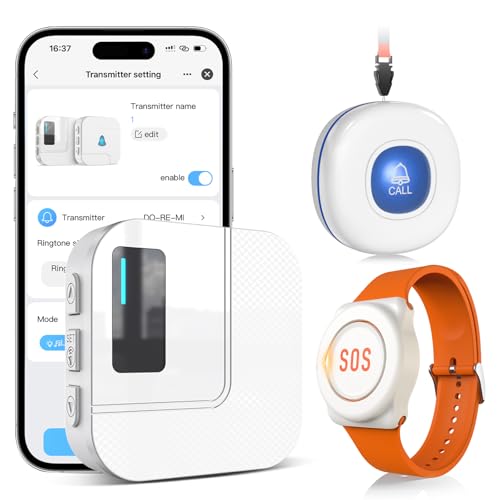
CallToU combines a wireless panic button with a receiver that plugs into home Wi‑Fi for smart worldwide access. The system ensures urgent alerts arrive instantly on the connected phone with an audible alarm and flashing lights. It supports sharing alerts with family members and offers app notifications at no cost, with optional subscriptions for SMS or phone alerts at a monthly rate. The receiver range extends beyond standard rooms, and the hard-wired receiver provides a reliable base even when mobile caregivers move through the home. This setup is ideal for households prioritizing broad coverage and simple family notifications.
PILSAMAS WiFi Caregiver Pager Smart Call System

This system emphasizes a smart call experience with caller ID display and app alerts, plus a waterproof wristband and two call buttons beyond the hub. The 328‑foot range through walls makes it practical for multi‑room homes or care facilities. The hub flashes LEDs and emits sounds to indicate alerts, while the app shows who is requesting help and where. Users can name devices (such as “Bedroom Button”) for quick recognition and share alerts with family. Lifetime updates and no subscription align with long‑term cost considerations for caregivers seeking non‑subscription options.
SYNLETT Caregiver Pager Wireless Call Buttons

The SYNLETT package centers on flexibility and portability, offering two wireless call buttons plus a portable pager. It includes a belt clip, wall brackets, and optional neck wear, enabling caregivers to position alerts on a person or around the home. The system provides alerts with a choice of tones and adjustable volumes, supporting hands‑free monitoring while caregivers move through rooms. The range supports larger homes, with simple plug‑in receiver operation for reliable coverage. This option is well suited for caregivers who need wearable and versatile notification methods in daily routines.
Buying Guide: Key Considerations For Selecting A Panic Button System
Choosing the right panic button system involves weighing coverage, notification style, and ongoing costs. Consider these factors to compare options effectively:
- Range and penetration: Look for 328ft or similar ranges and the ability to penetrate walls, doors, and floors so alerts aren’t blocked by obstacles.
- Connectivity: Decide between Wi‑Fi hubs, 433MHz wireless, or hybrid setups. 2.4G Wi‑Fi is common, while 5G is not typically required for these devices.
- Notification methods: App alerts are convenient, but some systems offer SMS or phone alerts as optional paid plans. Consider family members’ access preferences and data usage.
- Device naming and location: Devices that display caller IDs or name the button (e.g., “Bedroom Button”) help responders act quickly and accurately.
- Sharing and history: A system that shares alerts with multiple family members and shows alert history improves coordination during emergencies.
- Power and maintenance: Check battery status indicators and whether the hub/wristbands require frequent charging or battery replacements.
- Wearable options: Wristbands or pendants offer mobility for the person in need, but ensure comfort and durability for daily wear.
- Subscription model: Some features (SMS/phone alerts, advanced monitoring) may require ongoing fees. If possible, favor systems with lifetime updates or no mandatory monthly costs.
- Compatibility and setup: Confirm compatibility with existing home networks and whether the app supports multiple platforms (iOS, Android). Easy setup reduces training time for family caregivers.
Across the evaluated options, the common thread is immediate visibility for caregivers and clear location cues. Systems with multiple buttons per caregiver hub, shared notifications, and readable caller IDs tend to offer faster response and greater peace of mind. For households with variable living spaces, a broader range and portable wearables can be decisive. If long‑term costs matter, prioritize those with lifetime updates and no mandatory subscription plans.