Creating effective seasonal food plots requires blends that stay green, tolerate cold, and provide protein across fall, winter, and spring. This guide highlights top seed mixes designed to attract and sustain deer throughout the year, with practical insights on how to plant, manage, and compare options.
| Product | Season Range | Key Benefit |
|---|---|---|
| Antler King Fall/Winter/Spring Late Season Annual Seed Blend | Fall/Winter/Spring | High protein, cold-tolerant energy for bucks and overall herd health |
| Evolved Harvest Throw & Gro No-Till | Fall/Winter | No-till, fast-growing forage with essential protein and minerals |
| Evolved Harvest 7 Card Stud Adaptive Seed | Year-round through seasons | High protein blend with minerals; broad season coverage |
| Whitetail Institute Winter-Greens | Fall/early winter | Highly attractive brassicas; strong late-season forage |
| Whitetail Institute Winter Peas Plus | Late fall to winter | Very cold-tolerant peas with high protein |
These selections emphasize cold tolerance, protein content, and the ability to sustain deer through lean periods. When choosing, consider your climate, soil type, planting equipment, and how much early-season attraction you need versus late-season forage. Below are five standout options with concise details to help you compare at a glance.
Antler King Fall/Winter/Spring Late Season Seed Blend

This 17-pound blend is designed to provide a continuous green forage source through fall, winter, and into spring. It combines winter peas for high protein and cereal rye for persistent growth, yielding a broad-season energy base for deer. The mix is noted for cold-tolerant nutrition, helping deer maintain body condition during harsher months. Planted at half-acre scale, it offers a practical approach for larger properties seeking sustained attraction and energy throughout the cold season. The blend is positioned to support bucks’ antler development by offering a protein-rich forage.
Evolved Harvest Throw & Gro No-Till Forage for Deer

Throw & Gro No-Till offers a versatile mix including tetraploid ryegrass, forage clovers, and Brassica to create a fast-growing forage base without tilling. Its no-till formula is ideal for smaller plots or areas where soil disruption is impractical. The blend delivers protein and minerals to support deer health while reducing labor and equipment needs. It’s suitable for establishing a personal plot quickly and efficiently, allowing you to maximize deer traffic with minimal soil preparation.
Evolved Harvest 7 Card Stud Adaptive Seed

The 7 Card Stud Adaptive Seed blends triticale, oats, winter peas, clover, chicory, turnips, and radishes, delivering a robust, multi-season forage system. Its high-protein content and mineral balance attract and sustain deer across early, mid, and late seasons. The diverse plant mix helps hold deer on the property by offering a range of forage textures and flavors, reducing pressure on any single plant. The blend is designed to adapt to different climates, making it a flexible choice for varied American regions.
Domain Outdoor Sugar Momma Food Plot Seed
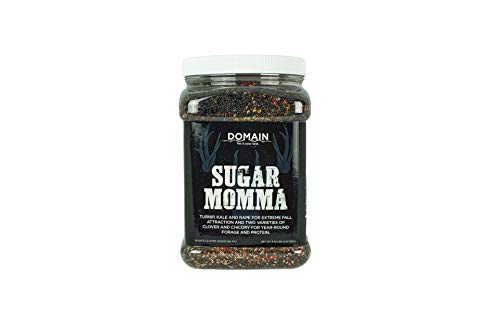
Sugar Momma provides a premier cold-season mix aimed at extreme fall and winter attraction while offering year-round forage and protein. Its design centers on year-round accessibility, with brassicas for rapid growth and perennials for sustained nutrition. The product is packaged for convenience with a reusable container, making storage easier. The seed blend targets extended attraction by providing a variety of forage options suited to cold climates and soil resilience, helping deer maintain foraging patterns through winter.
Whitetail Institute Winter-Greens Deer Food Plot Seed

Winter-Greens focuses on brassica-based forage that deer find highly attractive during fall and early winter. The blend is fortified with a small amount of Whitetail Institute’s tall tine turnip to enhance late-season nutrition. This makes it an excellent option for properties seeking a high-appeal, cold-tolerant forage in the late season. The product emphasizes strong deer response to brassicas and a dependable late-season food source, helping to sustain herd movement and body condition as temperatures drop.
Whitetail Institute Imperial No-Plow Seed

Imperial No-Plow is designed for areas where farming equipment can’t reach. This seed mix includes a combination of cereal grains, annual clovers, brassica, radish, and lettuce to provide diverse, high-appeal forage. It’s specifically suited for rougher terrains like logging roads or remote clearings, offering a practical approach to establish a productive plot without heavy tilling. The blend is attractive across seasons due to the mix of cool- and warm-season forage options.
Whitetail Institute Winter Peas Plus

Winter Peas Plus emphasizes over 80% winter peas with high cold tolerance and a notable protein boost. It’s designed to maximize late-season attraction by providing a highly palatable, protein-rich forage that deer will seek during cold months. The blend is a reliable choice for late-season energy and antler development, ensuring deer movement remains strong when other forages decline. It pairs well with other seasonal plantings to extend the forage window across winter and early spring.
Buying Guide: Key Purchase Considerations And Comparisons
When choosing a fall-winter-spring food plot blend, consider the following factors to optimize results and value:
- Climate and seasonality: Match your region’s typical cold snaps and growing windows with the cultivar mix’s tolerance profiles. Some blends excel in very cold zones, others perform better in milder climates.
- Protein and mineral content: Higher protein supports antler growth and overall herd health. Look for blends that feature a mix of peas, clovers, chicory, and brassicas to balance nutrition.
- Planting method: No-till or minimal-till options save time and soil disturbance, but require compatible equipment and seed-bed conditions. Fully prepared seedbeds can deliver rapid establishment for some blends.
- Forage diversity: A mix that includes multiple plant types (grains, legumes, brassicas, and perennials) tends to attract deer across seasons and reduces forage gaps.
- Soil health and pH: Some perennials tolerate marginal soils, while others require better conditions. Conduct a soil test to tailor lime and fertilizer needs.
- Plot size and management: Align seed quantity and acreage with your property size. Larger plots may benefit from high-energy rye and brassicas, while smaller plots may benefit from no-till and fast-growing varieties.
- Maintenance and weed control: Some blends tolerate weeds better than others. Consider ongoing weed pressure and whether a no-till approach will work on your site.
- Cost and logistics: Compare seed packaging (pounds per acre, coverage) and recycling options for containers. Convenience can be a deciding factor for busy landowners.
- Local wildlife preferences: Regional studies and local wildlife managers can offer insights into which blends consistently attract and retain deer in your area.
In practice, the best approach is to select a primary blend designed for year-round appeal and supplement with season-specific mixes as needed. Combining a no-till adaptable seed with a robust winter forage can provide reliable deer traffic, improved protein delivery, and easier management across fall, winter, and spring.