Retail environments face constant risk of merchandise loss. The right anti-theft devices deter theft, assist staff, and protect inventory without disrupting legitimate customers. This guide highlights five effective retail anti-theft solutions, based on current market options, to help store owners choose practical security tools tailored to clothing, electronics, and general merchandise alike.
Product Overview Table
| Product | Brand | Type |
|---|---|---|
| ZFD Retail Anti-Theft Equipment with 8 Feet Ultra Wider Detection | ZFD | AM 58kHz security system with alarms and tags |
| AM 58Khz Retail Anti-Theft Equipment – Security Tags Checker & Deactivator | ZFD | 2-in-1 checker and deactivator |
| Retail Anti-Theft Equipment Security Tags Checkers Handheld | ZFD | Handheld detector with audible/visual alerts |
| Aoeeki Retail Anti-Theft Equipment Kit | Aoeeki | 58kHz alarm system with 100 tags |
| 8.2 MH RF Security Tags Soft Labels | LeaGerous | RF labels for EAS security |
ZFD Retail Anti-Theft Equipment With Wide Detection
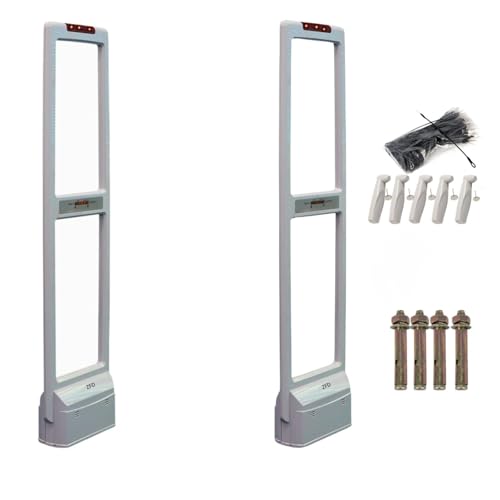
The ZFD system is designed for store entrances and exits, particularly in clothing shops and supermarkets. It features an 8-foot detection range and a robust alarm with 110dB sound and flashing lights when a tagged item passes through the detection field. Installation guidance emphasizes an empty, clean environment away from walls, metal door frames, or nearby metallic merchandise, and ensures the unit is positioned two feet from the exit wall. The full kit includes two antennas, 100 hard tags, a power cable, antenna connection cable, a remote, and four concrete anchors, offering a turnkey solution for rapid deployment.
AM 58Khz Retail Anti-Theft Equipment Checker & Deactivator

This 58kHz AM-based solution acts as both a security tag checker and a deactivator, suitable for retail stores and warehouses. It is designed to work with AM 58kHz tags, locks, and EAS systems. The device provides audible and visual alerts when an active tag is presented, helping staff respond quickly to potential theft while streamlining the checkout process for processed purchases.
Retail Anti-Theft Equipment Security Tags Checkers Handheld

The handheld detector offers versatility for security staff to inspect merchandise or validate stock in a warehouse. It supports an upgraded design that maintains continuous detection after activation. Users can choose alarm modes: sound and light, or vibration, to match store ambience and staff preferences. Sensitivity and alarm levels are adjustable, enabling polite customer interactions while ensuring prompt staff intervention when needed.
Aoeeki Retail Anti-Theft Equipment Kit

The Aoeeki kit provides a comprehensive 58kHz anti-theft solution with 100 clothing security tags. It uses electromagnetic induction to detect tagged items passing through a detection area, featuring a detection range that can be adjusted to suit different installations. Deactivation requires dedicated tools to remove tags after purchase, reducing false alarms and ensuring a smooth customer experience in clothing stores, toy shops, and supermarkets alike.
8.2 MH RF Security Tags Soft Labels

These RF soft labels disguise as ordinary barcodes while delivering robust anti-theft protection. The 8.2 MHz RF tags offer strong bonding with adhesives to extend product life and prevent tampering. They are designed for easy storage and transport, making them suitable for large inventories in retail settings, particularly where aesthetics matter and theft risk is non-trivial.
TOPZEA Peg Hook Locks

While not a traditional EAS system, peg hook locks provide a physical barrier to deter shoplifting at display hooks. The 120-pack includes 6 mm locks with a bright red color and the “STOP LOCK” label, designed for quick deployment across peg fixtures. They help reduce product losses by hindering easy removal of displayed items and signaling a security-conscious shopping environment.
Buying Guide: Key Considerations For Retail Anti-Theft Purchases
When selecting anti-theft devices for a retail operation, it’s important to balance coverage, usability, and integration with existing workflows. Below are critical factors to weigh, along with comparative considerations across the featured options.
- Detection Range and Coverage: Larger stores benefit from systems with broad detection fields to minimize blind spots. The ZFD setup emphasizes an 8-foot detection range and dual antennas, which can be advantageous for entrances and wider aisles.
- Tag Type And Compatibility: Ensure the chosen solution supports the tag formats you already use or plan to deploy. AM 58kHz and RF 8.2 MHz tags have different detection dynamics and deactivation requirements, so compatibility reduces false alarms and simplifies operations.
- Alarm Modes And Staff Workflow: Consider devices with adjustable alarm modes (sound, light, vibration) to fit store environments. Handheld checkers can be essential for in-store audits, while wall-mounted or entrance systems deter focus theft at chokepoints.
- Deactivation Process: A smooth deactivation at the point of sale minimizes customer friction. 58kHz solutions often pair checkers with deactivators to streamline checkout without compromising security.
- Installation And Maintenance: Look for complete kits with hardware, mounting components, and clear installation guidance. Consider whether the system requires professional installation or can be deployed by staff with basic training.
- Aesthetics and Store Experience: Choose systems that balance security with the shopping experience. Subtle tagging and discrete detectors help maintain a welcoming store ambiance, particularly in clothing and fashion sections.
- Supply Chain And Spare Parts: Ensure easy access to replacement tags, batteries, and cables. A reliable supplier and readily available spares reduce downtime during peak seasons.
- Scalability: For growing stores, pick solutions that can scale with more antennas, tags, and software support. Modular designs support incremental expansion without a full system replacement.
Across the reviewed options, retailers should prioritize compatibility with existing stock, ease of use for staff, and the ability to integrate with checkout processes. Physical deterrents like peg hook locks complement electronic EAS systems by addressing display-level vulnerabilities. A layered approach—combining robust detection with quick deactivation and staff training—tends to deliver stronger shrink control and a smoother customer experience.